
Renters and apartment residents
You do not need to own a freestanding house to start electrifying. Renters and apartment residents can still make meaningful progress, lower bills, improve comfort, and build the case for bigger changes over time.
Some upgrades are simple and low-cost. Others need approval from a landlord or strata. The key is to know which is which, and to start with the things you can control.
What renters can do now
Draught-proof gaps around doors and windows with low-cost, removable products.
Use thick curtains or blinds to keep warmth in during winter and heat out in summer.
Swap old bulbs for LED lighting where your lease allows.
If you are replacing your own appliances, choose efficient electric models such as a high-star fridge, washing machine or heat pump dryer.
Try induction cooking with a portable induction cooktop if that suits your kitchen and electrical setup.
Use an electric bike, car share, or public transport where that makes sense for your household.
Learn how and when your home uses energy so you can reduce waste and shift usage to cheaper times of day if your tariff allows.
Split-system heating and cooling
Heat pump hot water
Replacing a fixed gas cooktop or oven
Solar panels or batteries
EV charger installation
Switchboard or wiring upgrades
Insulation, double glazing, or major draught sealing
Gas disconnection
If you are not sure whether something counts as a fixture, ask before spending money.
What usually needs landlord approval
If you live in an apartment or strata building
Apartment electrification often involves both your own unit and the common property.
Some things may be simple within your apartment, such as replacing a gas cooktop with induction or choosing efficient appliances. Other changes, such as solar, shared electrification projects, EV charging, or building-wide hot water changes, may need strata approval.
Good apartment questions include:
1. Is there already discussion about solar, EV charging, or gas removal in the building?
2. Are there electrical constraints in the building that affect future upgrades?
3. Is there a committee, manager, or contractor already looking at this?
4. Could the building benefit from an energy performance assessment or feasibility study?
Questions to ask your landlord
1. If this appliance needs replacing, would you consider an electric replacement instead of gas?
2. Would you be open to getting a quote for a split system, induction cooktop, or heat pump hot water service?
3. If I gather information and quotes, who should I send them to?
4. If gas is only serving one appliance, would you consider removing it and avoiding ongoing supply charges?
5. Are there upcoming maintenance or renovation works where electrification could be added more easily?
Questions to ask strata
1. What approvals are needed for upgrades inside a lot and on common property?
2. Has the building looked at shared solar, EV charging, or moving away from gas?
3. Is there an owners corporation or committee member leading energy projects?
4. Are there plans for major capital works where electrification could be included?
5. Has the building had an energy assessment, and if not, would strata consider one?
How to make the case
Landlords and strata are often more open to electrification when they can see practical benefits.
These may include:
lower running costs for residents
removal of gas supply charges where gas use is low
safer, cleaner cooking
modern heating and cooling
improved comfort
a more attractive, future-ready property
Keep the request simple. You do not need to argue for every possible upgrade at once. One well-timed request for one practical improvement is often more successful.
A good time to ask
The easiest time to ask for electrification is often when something is already being replaced, repaired, or upgraded.
This includes:
when a cooktop, heater, or hot water system is failing
at lease renewal
before planned renovation or maintenance works
when strata is already discussing building upgrades
Start where you are
Electrification does not have to happen all at once. For renters and apartment residents, progress often starts with simple comfort and efficiency measures, followed by good timing, clear requests, and well-chosen quotes.
If you cannot do everything now, that does not mean you cannot do anything now.
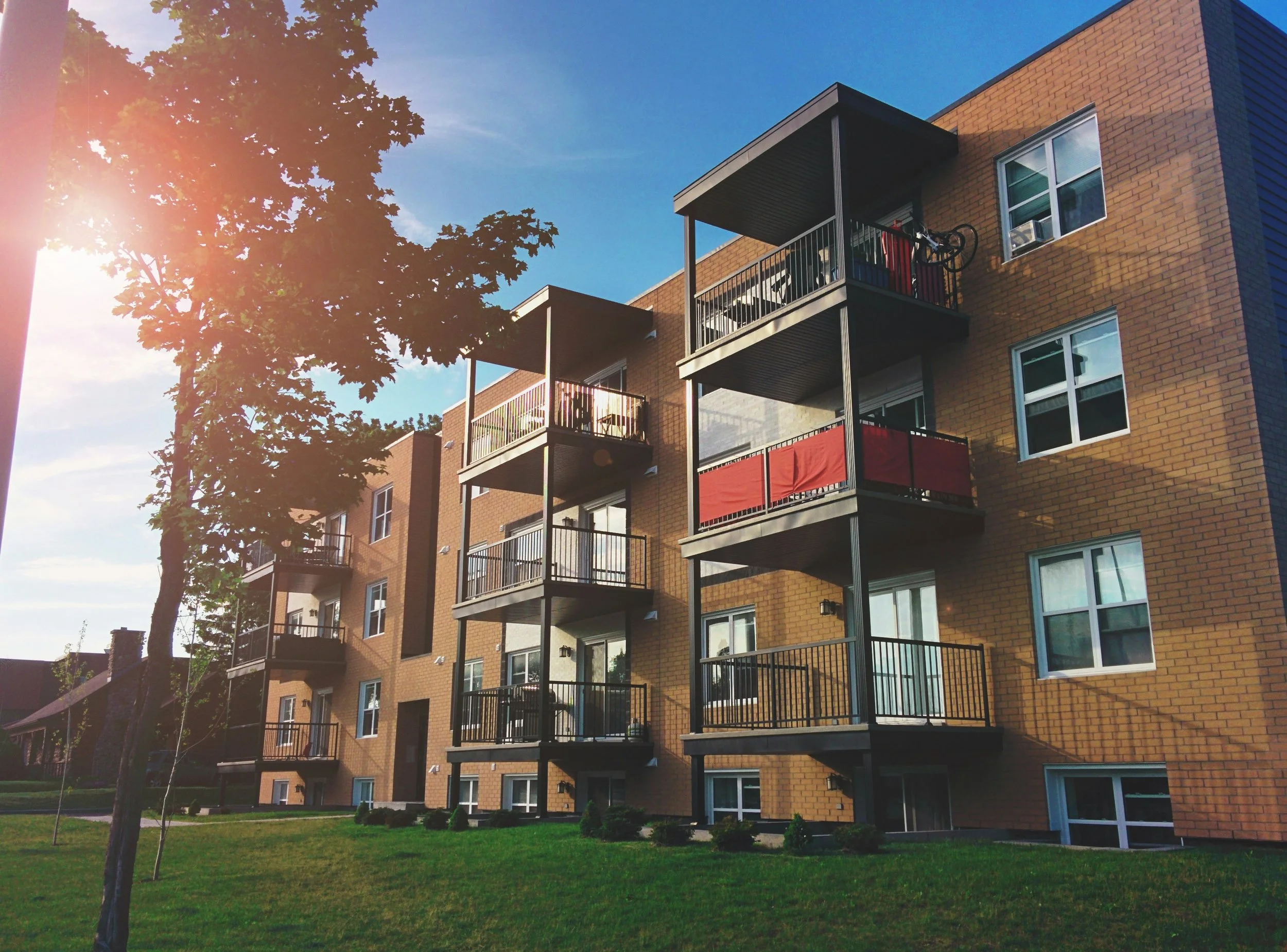
Apartments © Compagnons/Unsplash
FAQs
-
Solar power harnesses the energy produced by sunlight and converts it into thermal or electric energy. It is an abundant and renewable resource used to replace fossil fuels like gas.
-
Primary energy is all natural energy harvested directly from natural energy sources without being altered or converted.
-
Biomass is organic material that originates from plants or animals, which can be harnessed as a renewable energy source. Examples include wood, plant matter, animal waste, and energy crops like algae. By burning these materials, combustion occurs and generates electricity.
Inspired by pv magazine’s article: Solar myths and misconceptions.